998 (90) 174-57-84


Calibration, cleaning and storage of ORP electrodes
- How to calibrate an ORP electrode? Acceptance criteria for calibration
- Cleaning the ORP electrode
- Storing electrodes
ORP (Redox potential) in practice, is a measure of the oxidation of contaminants in a liquid / solution. ORP electrodes measure the ability of a solution to act as an oxidizing or reducing agent. They are used to analyze water in swimming pools, food and water treatment industries, in order to ensure that the water is free of contaminants and is safe for use or consumption.
Over time and depending on the type of sample, the sensor can become coated with chemical and / or biological deposits, clogging the connection and thus causing inaccurate readings. To improve measurement accuracy, it is recommended to periodically calibrate and clean the sensor as needed.
How to calibrate an ORP meter / electrode
ORP sensors consist of a reference electrode (usually Ag / AgCl), a filling solution (usually 3 M KCl) and an indicator electrode (usually platinum). The reference electrode remains stable but the diaphragm and indicator electrode may change their behavior over time. The liquid being analyzed can affect the metal surface or clog the diaphragm, causing significant deviations in the readings.
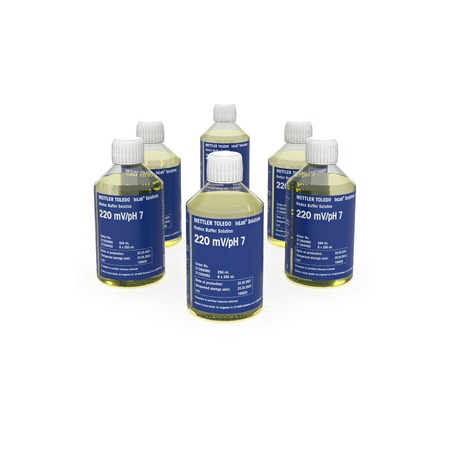
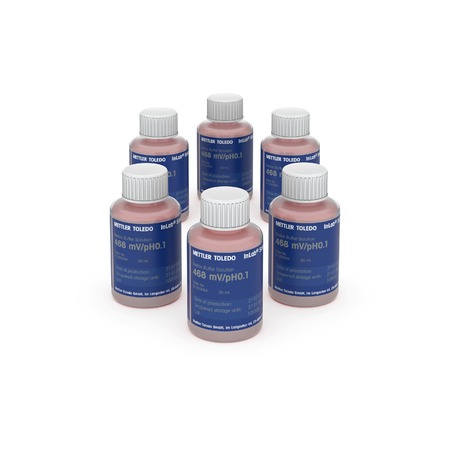
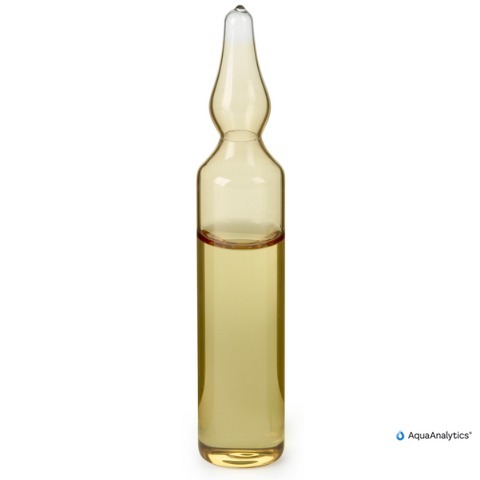
To find out the actual state of the ORP electrode and evaluate its performance, calibration solutions with a known ORP value are used. The most common are Zobell's solution and Light's solution. At 25 °C, the ORP of Zobell's solution is approximately +228 mV when measured with an Ag/AgCl electrode, and Light's solution is +475 mV under the same conditions.
Note: the actual ORP values of Zobell and Light solutions depend on the temperature and concentration of the filling solution.
After selecting a suitable solution, rinse the electrode with distilled water and then immerse it in the calibration solution. After the temperature has stabilized, run the calibration command. Make sure that the sensor shows the mV value according to the selected calibration solution. Comparing the ORP meter reading with a standard solution gives the deviation in mV. This offset should be taken into account in subsequent analyzes.
When calibrating the ORP meters Hach calculate the deviation from the standard solution value and store it (in mV) so that it can be automatically taken into account later during analysis.
Calibration Success Criteria
The electrode works properly if the offset is within ± 10 mV when comparing the ORP meter reading with the standard solution.
A deviation of 30 to 50 mV indicates the need to clean or replace the sensor. If the offset is within the acceptable mV range, the ORP readings of the samples should be corrected for this value.
Cleaning the ORP probe
Check the manufacturer's recommendations in the instructions for your electrode. Avoid aggressive and overly frequent cleaning as this can adversely affect performance and performance and may necessitate replacement. Signs of sensor contamination:
- incorrect and unstable readings
- increased stabilization time
- calibration errors
General guidelines for cleaning Hach ORP electrodes
- Flush the probe with deionized water. Blot dry with a lint-free cloth. Immerse the probe sensor and platinum disc in the electrode cleaning solution or warm water containing a few drops of detergent (such as dishwashing detergent) for a maximum of 15 minutes. Note: Before cleaning the field electrode, remove the shroud. Reinstall it after cleaning. Flush the probe with deionized water. Pat dry with a lint-free cloth.
- To remove inorganic mineral deposits, immerse the probe probe and platinum disc in a solution of 0.1 M hydrochloric acid or 0.1 M nitric acid for a maximum of 15 minutes. Or use the ready-made solution 2975149. Rinse the probe with deionized water. Pat dry with a lint-free cloth.
- If the platinum disc is dirty, polish it with a soft cloth or cotton swab and detergent solution.
Place the probe in a solution with known ORP prior to use to check the response of the probe. Calibrate if necessary.
Since most samples are different from each other, it is recommended to calibrate and clean the sensor if the medium to be measured changes. If the calibration is unsatisfactory or if the deviation from the calibration solution is > 50 mV, you should consider replacing the sensor.
Storage

For storage, use only the solution specified by the manufacturer. For Hach electrodes, this is the storage solution for pH electrodes 2756549 or 3 M KCl (2756559).
Do not store the ORP electrode in deionized water or in low ionic strength samples. For short-term storage, the probe can remain in the sample for a maximum of 2 hours, provided that the pH of the sample is low. Before placing the electrode in a special bottle with a storage solution, it is necessary to wash off the remnants of the measured medium with deionized water. The electrode should be stored in an upright position so that the probe and diaphragm are completely immersed in the solution.
AquaAnalytics ® is the official representative of Hach in Russia and the CIS countries. For more information, contact us in a convenient way for you.
Representative office in Russia: +7 (495) 201-53-02 info@aquaanalytics.ru
Representative office in Uzbekistan: +998 (90) 174-57-84 info@aquaanalytics-tekhnika.ru